November 15th, 2026
ISO 27001 is not a checklist of products. See what the standard requires, what auditors inspect, and why regulated clients ask vendors for certification.
Read Full Story »
Posted in: Cybersecurity
November 1st, 2026
Attacks and obligations differ by sector. Compare cyber risk in energy, healthcare, and manufacturing, and see what each industry needs to fix first.
Read Full Story »
Posted in: Cybersecurity
October 16th, 2026
Parker Data & Voice deploys advanced email and account protection technology to help small and mid-sized businesses stop Business Email Compromise attacks.
Read Full Story »
Posted in: Cybersecurity, Press Releases
October 15th, 2026
Cameras at several sites drift into mismatched systems and missing footage. Learn how to standardize retention, access, and monitoring across locations.
Read Full Story »
Posted in: Surveillance & Access Control
October 1st, 2026
AI writes convincing phishing emails, clones voices, and speeds up attacks. Learn which defenses stop these threats and where traditional security fails.
Read Full Story »
Posted in: Cybersecurity, AI for Business
September 16th, 2026
Parker Data & Voice launches an AI workflow automation solution that helps small and mid-sized businesses complete repetitive back-office work faster.
Read Full Story »
Posted in: AI for Business, Press Releases
September 15th, 2026
Understanding Disaster Recovery as a Service (DRaaS). Business continuity isn't a luxury reserved for Fortune 500 companies anymore. Learn how we can help.
Read Full Story »
Posted in: Backup & Disaster Recovery
September 1st, 2026
For years, many businesses relied on the break-fix model - calling an IT technician only when something stopped working. Talk to Parker Data & Voice today.
Read Full Story »
Posted in: Managed IT Services
August 21st, 2026
New Technology Helps Businesses Answer Every Call, Improve Customer Service, and Free Employees for Higher-Value Work. Contact us to find out how we can help.
Read Full Story »
Posted in: Business Phone Systems, Press Releases
August 15th, 2026
Technology has become the backbone of modern business operations, yet many organizations approach IT decisions reactively rather than strategically. Contact us.
Read Full Story »
Posted in: Managed IT Services
August 1st, 2026
Many businesses continue to rely on outdated IT infrastructure that was implemented years or even decades ago. Contact us to learn more about your options.
Read Full Story »
Posted in: Network & IT Installations
July 23rd, 2026
Parker Data & Voice now provides an all-encompassing AI solution that combines all of the popular tools with the highest level of security. Reach out today.
Read Full Story »
Posted in: AI for Business, Press Releases
July 15th, 2026
The Power of Integrated Security Solutions. Business security has evolved far beyond simple locks and standalone cameras. Talk to Parker Data & Voice today.
Read Full Story »
Posted in: Surveillance & Access Control
July 10th, 2026
For years, organizations have relied on location-based alerts to catch hackers' suspicious logins. Talk to the Parker Data & Voice team about your IT needs.
Read Full Story »
Posted in: Cybersecurity, Press Releases
July 1st, 2026
The shift to cloud computing has fundamentally changed how businesses operate, communicate, and compete. Talk to our team to find the right solution for you.
Read Full Story »
Posted in: Cloud & Microsoft 365
June 15th, 2026
The True Cost of System Downtime. Every minute your business systems are offline costs money. Talk to the Parker Data & Voice team about the right solution.
Read Full Story »
Posted in: Backup & Disaster Recovery
June 1st, 2026
For businesses operating in regulated industries, data protection isn't just a best practice-it's a critical compliance requirement. Learn how we can help.
Read Full Story »
Posted in: Cybersecurity
May 20th, 2026
As businesses generate more data than ever before, most organizations have lost track of what data they actually have - and who has access to it. Contact us.
Read Full Story »
Posted in: Cybersecurity, Press Releases
May 15th, 2026
The Business Case for Unified Communications Integration. Business communication has evolved dramatically over the past decade. Get in touch to learn more.
Read Full Story »
Posted in: Business Phone Systems
May 1st, 2026
According to FEMA, approximately 40% of businesses never reopen after a disaster, and another 25% fail within one year. Contact us to find out how we can help.
Read Full Story »
Posted in: Backup & Disaster Recovery
April 17th, 2026
Leading MTSP to Acquire AI Strategies to Help Customers Improve Efficiency, Security, and Customer Experience. Contact us to learn more about your options.
Read Full Story »
Posted in: Press Releases
April 15th, 2026
However, managing a complex IT infrastructure can be challenging, time-consuming, and costly. Talk to the Parker Data & Voice team about the right solution.
Read Full Story »
Posted in: Managed IT Services
April 1st, 2026
As cyber threats continue to evolve, organizations across various sectors face unique challenges in protecting their digital assets. Learn how we can help.
Read Full Story »
Posted in: Cybersecurity
March 19th, 2026
Leading MTSP Shares How ForwardThinking Businesses Are Using AI to Eliminate Revenue Leakage, Operational Chaos, and Costly Human Error. Get started today.
Read Full Story »
Posted in: AI for Business, Press Releases
March 16th, 2026
Effective communication is more crucial than ever. As technology advances, so do the ways we connect and collaborate. Contact us to find out how we can help.
Read Full Story »
Posted in: Business Phone Systems
March 2nd, 2026
This sobering reality underscores the critical need for effective access control measures in protecting your business interests. Get started with our team.
Read Full Story »
Posted in: Surveillance & Access Control
February 17th, 2026
Businesses rely heavily on their IT infrastructure and data to maintain operations. Contact Parker Data & Voice to find out how we can help your organization.
Read Full Story »
Posted in: Backup & Disaster Recovery
February 12th, 2026
Leading MTSP Introduces AI Acceptable Use Framework to Protect Organizations While Unlocking Productivity Gains. Contact Parker Data & Voice to learn more.
Read Full Story »
Posted in: AI for Business, Press Releases
February 4th, 2026
The Health Insurance Portability and Accountability Act (HIPAA) sets the standard for safeguarding medical information and health records. Reach out today.
Read Full Story »
Posted in: Cybersecurity
January 21st, 2026
Enter cloud video surveillance - a game-changing technology that's transforming the way we approach security. Contact our team to find out how we can help.
Read Full Story »
Posted in: Surveillance & Access Control
January 10th, 2026
Parker Data & Voice announces new initiatives aimed at eliminating the top IT concerns facing small to mid-sized businesses (SMBs). Contact us to learn more.
Read Full Story »
Posted in: Managed IT Services, Press Releases
January 2nd, 2026
Staying competitive means focusing on your core competencies while ensuring that all aspects of your operations run smoothly. Learn more about our services.
Read Full Story »
Posted in: Managed IT Services
December 17th, 2025
In today's fast-paced business environment, having the right tools and technologies can make all the difference between success and stagnation. Contact us.
Read Full Story »
Posted in: Cloud & Microsoft 365
December 4th, 2025
This is where Cyber Security Awareness Training becomes an indispensable tool in your organization's security arsenal. Contact us to find out how we can help.
Read Full Story »
Posted in: Cybersecurity
November 19th, 2025
Powerful Technology Enables Companies to Extend Their Brand Image and Promote Their Value Proposition to Specific Audiences Cost Effectively. Reach out today.
Read Full Story »
Posted in: Business Phone Systems, Press Releases
November 17th, 2025
As technology continues to evolve, businesses are constantly seeking ways to streamline their communication processes and improve collaboration. Contact us.
Read Full Story »
Posted in: Business Phone Systems
November 2nd, 2025
Intercom systems have evolved far beyond the simple buzzer-and-speaker setups of decades past. Talk to the Parker Data & Voice team about the right solution.
Read Full Story »
Posted in: Surveillance & Access Control
October 16th, 2025
Businesses need robust, scalable, and secure cloud solutions to stay competitive. Contact Parker Data & Voice to find out how we can help your organization.
Read Full Story »
Posted in: Cloud & Microsoft 365
October 2nd, 2025
As organizations grow and adapt to new challenges, the need for robust access control systems has become more critical than ever. Contact us to learn more.
Read Full Story »
Posted in: Surveillance & Access Control
September 16th, 2025
While most changes can be anticipated and planned for, some arrive with the fury of a storm, threatening to sweep away everything you've built. Contact us.
Read Full Story »
Posted in: Backup & Disaster Recovery
September 4th, 2025
In fact, modern AI tools are doing far more than chatbot scripts or reactive alerts. Talk to the Parker Data & Voice team about the right solution for you.
Read Full Story »
Posted in: AI for Business, Press Releases
September 1st, 2025
At Parker Data & Voice, we understand the critical importance of protecting your assets, employees, and customers. Contact Parker Data & Voice to learn more.
Read Full Story »
Posted in: Surveillance & Access Control
August 18th, 2025
As technology advances and more medical data is stored and transmitted electronically, the importance of HIPAA compliance has grown exponentially. Contact us.
Read Full Story »
Posted in: Cybersecurity
August 1st, 2025
It's easy to overlook the silent engine that keeps everything running smoothly: the back office. Reach out to Parker Data & Voice to learn how we can help.
Read Full Story »
Posted in: Managed IT Services
July 23rd, 2025
Knowing who is at your door before granting access has become increasingly important. Talk to the Parker Data & Voice team about the right solution for you.
Read Full Story »
Posted in: Surveillance & Access Control
July 12th, 2025
Parker Data & Voice, LLC Urges Business Owners to Prepare for October 14, 2025 and Avoid a Costly IT Crisis. Contact us to find the right solution for you.
Read Full Story »
Posted in: Managed IT Services, Press Releases
July 4th, 2025
Leading MTSP Implements MultiFactor Authentication, which 72% of Organizations Lack. Talk to the Parker Data & Voice team about the right solution for you.
Read Full Story »
Posted in: Cybersecurity, Press Releases
July 2nd, 2025
This is where Unified Communications (UC) comes into play, offering a comprehensive solution to streamline and enhance business communication. Reach out today.
Read Full Story »
Posted in: Business Phone Systems
June 16th, 2025
One of the most significant advantages of Azure is its ability to scale resources up or down based on your business needs. Talk to Parker Data & Voice today.
Read Full Story »
Posted in: Cloud & Microsoft 365
June 2nd, 2025
Organizations must recognize that their strongest defense isn't just in firewalls and antivirus software - it's in their people. Get started with our team.
Read Full Story »
Posted in: Cybersecurity
May 30th, 2025
ISO 27001 is the international gold standard for how organizations should manage information security. Talk to our team to find the right solution for you.
Read Full Story »
Posted in: Cybersecurity, Press Releases
May 19th, 2025
Preparing for the Unexpected. Organizations face numerous threats that can disrupt operations and jeopardize their very existence. Talk to an expert today.
Read Full Story »
Posted in: Backup & Disaster Recovery
May 4th, 2025
As technology advances, so do the methods used by those who wish to compromise your company's assets and information. Contact us to find out how we can help.
Read Full Story »
Posted in: Surveillance & Access Control
April 17th, 2025
At Parker Data & Voice, we're excited to explore the numerous benefits and applications of this cutting-edge technology. Talk to Parker Data & Voice today.
Read Full Story »
Posted in: Surveillance & Access Control
April 11th, 2025
TAG is an organization of premier managed technology services providers (MTSPs) representing over $1 billion in products and services. See how we can help.
Read Full Story »
Posted in: Press Releases
April 1st, 2025
Enter Microsoft 365, a comprehensive suite of applications and services designed to empower businesses of all sizes. Contact us to find out how we can help.
Read Full Story »
Posted in: Cloud & Microsoft 365
March 17th, 2025
As organizations grow and evolve, the need for streamlined, efficient, and integrated communication systems becomes increasingly crucial. Contact us today.
Read Full Story »
Posted in: Business Phone Systems
March 3rd, 2025
While you're focused on driving growth and serving clients, essential behind-the-scenes operations can easily fall by the wayside. Talk to an expert today.
Read Full Story »
Posted in: Managed IT Services
February 17th, 2025
Businesses are constantly seeking ways to streamline operations, enhance productivity, and stay ahead of the competition. Talk to Parker Data & Voice today.
Read Full Story »
Posted in: Cloud & Microsoft 365
February 4th, 2025
Leading Managed Technology Services Provider Guides Small to Mid-Sized Businesses Through an Innovative Technology Budget and Roadmap Process. Reach out today.
Read Full Story »
Posted in: Managed IT Services, Press Releases
February 3rd, 2025
The Evolution of Intercom Systems. Intercom systems have come a long way from their humble beginnings. Talk to our team to find the right solution for you.
Read Full Story »
Posted in: Surveillance & Access Control
January 17th, 2025
Recent data from the US Census Robbery and Property Crimes Report highlights the pressing need for enhanced security measures in American... Reach out today.
Read Full Story »
Posted in: Surveillance & Access Control
January 8th, 2025
Leading Managed Technology Services Provider Demonstrates Highest Level of Expertise to Elevate Customer Success. Contact Parker Data & Voice to learn more.
Read Full Story »
Posted in: Cloud & Microsoft 365, Press Releases
January 2nd, 2025
Businesses face an ever-growing array of threats that can disrupt operations, compromise data, and potentially weaken an organization. See how we can help.
Read Full Story »
Posted in: Backup & Disaster Recovery
December 20th, 2024
Leading Managed Technology Services Provider Accelerates Customer Productivity and Profitability. Talk to the Parker Data & Voice team about your IT needs.
Read Full Story »
Posted in: Managed IT Services, Press Releases
December 16th, 2024
In today's digital age, cybersecurity threats have become a significant concern for businesses of all sizes. Contact us to find the right solution for you.
Read Full Story »
Posted in: Cybersecurity
December 2nd, 2024
In today's fast-paced business landscape, security is a paramount concern for organizations of all sizes. Learn how Parker Data & Voice can help you today.
Read Full Story »
Posted in: Surveillance & Access Control
November 18th, 2024
In today's fast-paced digital landscape, technology is the backbone of any successful modern business. Talk to our team to find the right solution for you.
Read Full Story »
Posted in: Cloud & Microsoft 365
November 7th, 2024
Leading MTSP Encourages Companies to Maximize Profits with Updated Tax Code Benefits. Talk to the Parker Data & Voice team about the right solution for you.
Read Full Story »
Posted in: Press Releases
November 1st, 2024
Here at Parker Data & Voice, we've been helping companies implement cutting-edge communications technology for over 30 years. Learn more about our services.
Read Full Story »
Posted in: Business Phone Systems
October 16th, 2024
In the fast-paced world of business, the spotlight often shines on customer-facing roles and revenue-generating activities. Contact our team to learn more.
Read Full Story »
Posted in: Managed IT Services
October 10th, 2024
As businesses increasingly rely on their online presence, ensuring the security and compliance of their websites has become crucial. Learn how we can help.
Read Full Story »
Posted in: Cybersecurity, Press Releases
October 1st, 2024
However, the potential benefits of an optimized cloud strategy make the effort well worth it. Talk to the Parker Data & Voice team about the right solution.
Read Full Story »
Posted in: Cloud & Microsoft 365
September 16th, 2024
Access control systems are a vital security measure for businesses of all sizes. Contact Parker Data & Voice to find out how we can help your organization.
Read Full Story »
Posted in: Surveillance & Access Control
September 6th, 2024
Leading Managed Technology Services Provider (MTSP) Is at the Forefront of Protecting the Region's Organizations. Contact Parker Data & Voice to learn more.
Read Full Story »
Posted in: Cybersecurity, Press Releases
September 2nd, 2024
For any business owner, protecting your property, assets, employees and customers is of paramount importance. Contact our team to find out how we can help.
Read Full Story »
Posted in: Surveillance & Access Control
August 16th, 2024
Business Continuity is not just a defined process or plan; it is a state of being that we strive to achieve for our clients' businesses. Get started today.
Read Full Story »
Posted in: Backup & Disaster Recovery
August 13th, 2024
While many VoIP providers offer unified communications (UC) systems, most are not seamlessly woven into the fabric of their existing systems. Reach out today.
Read Full Story »
Posted in: Business Phone Systems, Press Releases
August 5th, 2024
As a business owner or manager, the safety and security of your employees, clients, and physical premises should always be a top priority. Reach out today.
Read Full Story »
Posted in: Surveillance & Access Control
July 16th, 2024
HIPAA is not just a legal requirement, but a necessity for data privacy and security. Talk to the Parker Data & Voice team about the right solution for you.
Read Full Story »
Posted in: Cybersecurity
July 4th, 2024
Leading MTSP Demystifies Cyber Risks and Gives SMBs Immediate Cybersecurity Roadmap to Security and Compliance. Contact Parker Data & Voice to get started.
Read Full Story »
Posted in: Cybersecurity, Press Releases
July 1st, 2024
Our expertise lies in designing and implementing customized video surveillance systems tailored to meet the unique needs of each client. Get started today.
Read Full Story »
Posted in: Surveillance & Access Control
June 18th, 2024
Enterprises are constantly seeking innovative solutions to streamline operations, foster seamless communication, and optimize costs. Learn how we can help.
Read Full Story »
Posted in: Business Phone Systems
June 4th, 2024
For example, as recently as November 2023 Microsoft said state-backed Russian hackers accessed emails of senior leadership team members. Get started today.
Read Full Story »
Posted in: Backup & Disaster Recovery, Press Releases
June 3rd, 2024
In today's fast-paced business world, keeping employees connected and fostering effective collaboration is crucial for success. Get in touch to learn more.
Read Full Story »
Posted in: Cloud & Microsoft 365
May 20th, 2024
Back office services encompass a wide range of internal business functions that support an organization's core operations. Talk to Parker Data & Voice today.
Read Full Story »
Posted in: Managed IT Services
May 9th, 2024
Leading MTSP Utilizes Sophisticated Change Management and Inventory Asset Software to Keep SMBs Secure, Efficient and Profitable. Contact us to learn more.
Read Full Story »
Posted in: Network & IT Installations, Press Releases
May 3rd, 2024
In late 2022, Uber, the ride-sharing company, suffered a massive data breach that exposed sensitive information of both customers and employees. Contact us.
Read Full Story »
Posted in: Cybersecurity
April 17th, 2024
Keys. they have been around forever, but let's face it, they are hard to handle. Contact Parker Data & Voice to find out how we can help your organization.
Read Full Story »
Posted in: Surveillance & Access Control
April 5th, 2024
Leading MTSP to Collaborate with Industry Thought Leaders at Technology Assurance Group's 23rd Annual Convention. Contact Parker Data & Voice to learn more.
Read Full Story »
Posted in: Press Releases
April 1st, 2024
Who doesn't like keeping an eye on everything? Safeguarding your business premises is vital for success in any environment. Contact our team to learn more.
Read Full Story »
Posted in: Surveillance & Access Control
March 28th, 2024
Trend #1: Whether organizations are aware of it or not, employees are already using AI tools to perform their jobs. Contact us to find out how we can help.
Read Full Story »
Posted in: AI for Business, Press Releases
March 18th, 2024
Disaster recovery is an essential part of securing your business since lost data without recovery can be catastrophic for a business's reputation. Contact us.
Read Full Story »
Posted in: Backup & Disaster Recovery
March 1st, 2024
In an era dominated by digital connectivity, ensuring robust network security is paramount for businesses of all sizes. Contact us to find out how we can help.
Read Full Story »
Posted in: Cloud & Microsoft 365
February 15th, 2024
Intercom systems are a business communication lifeline, allowing seamless interaction among employees, departments, and even between different building floors.
Read Full Story »
Posted in: Surveillance & Access Control
February 6th, 2024
Leading Managed Technology Services Provider (MTSP) Delivers Innovative 'Dual Claim Coverage' Model to Minimize Wait Time and Eliminate Hassle. Contact us.
Read Full Story »
Posted in: Cybersecurity, Press Releases
February 1st, 2024
Cloud video surveillance stores your footage in the cloud, a.k.a. a virtual storage space accessible from anywhere. Contact us to find out how we can help.
Read Full Story »
Posted in: Surveillance & Access Control
January 16th, 2024
Microsoft Office Suite is often overlooked for its highly productive features due to the increasing saturation of other office suites in the market. Contact us.
Read Full Story »
Posted in: Cloud & Microsoft 365
January 10th, 2024
Leading Managed Technology Services Provider Drives Productivity and Employee Satisfaction. Contact Parker Data & Voice to find the right solution for you.
Read Full Story »
Posted in: Business Phone Systems, Press Releases
January 2nd, 2024
Imagine having all your communication tools under one roof - no more jumping between apps and losing track of what you were supposed to do. Reach out today.
Read Full Story »
Posted in: Business Phone Systems
December 18th, 2023
Finance and Accounting: Managing financial transactions, bookkeeping, payroll processing, and financial reporting. Contact Parker Data & Voice to learn more.
Read Full Story »
Posted in: Managed IT Services
December 4th, 2023
Leading MTSP Highlights Tax Benefit for Equipment Purchases Before December 31st. Contact Parker Data & Voice to find out how we can help your organization.
Read Full Story »
Posted in: Press Releases
December 1st, 2023
If you are an entrepreneur or business owner, wanting to know who has physical access to your business is always top of mind, and for good reason. Contact us.
Read Full Story »
Posted in: Surveillance & Access Control
November 16th, 2023
Remember that moment when you heard the phrase 'HIPAA compliance' for the first time? Talk to the Parker Data & Voice team about the right solution for you.
Read Full Story »
Posted in: Cybersecurity
November 15th, 2023
Leading MTSP Helps Organizations Benefit by Moving Their Network Into the Cloud. Contact Parker Data & Voice to find out how we can help your organization.
Read Full Story »
Posted in: Cloud & Microsoft 365, Press Releases
November 1st, 2023
It's almost midnight, and you are making the final changes in a file that will be presented to the clients tomorrow in a meeting. Contact us to learn more.
Read Full Story »
Posted in: Surveillance & Access Control
October 16th, 2023
Business owners often refer to IT services as a black hole, and for good reason. Contact Parker Data & Voice to find out how we can help your organization.
Read Full Story »
Posted in: Managed IT Services
October 2nd, 2023
In today's fast-paced and ever-changing corporate scene, guaranteeing company continuity is critical. Learn how Parker Data & Voice can help your business.
Read Full Story »
Posted in: Cloud & Microsoft 365
September 28th, 2023
Leading Managed Technology Services Provider Enhances Productivity and Customer Service for Local Organizations. Contact Parker Data & Voice to learn more.
Read Full Story »
Posted in: Business Phone Systems, Press Releases
September 18th, 2023
In today's fast-paced business environment, employee mobility has become a crucial factor for the success of any organization. Call us today to learn more.
Read Full Story »
Posted in: Business Phone Systems
September 7th, 2023
Leading Managed Technology Services Provider (MTSP) Leverages Unified Communications & Integrated Contact Center to Strengthen Customer... Reach out today.
Read Full Story »
Posted in: Business Phone Systems, Press Releases
September 1st, 2023
In today's digital age, technology shapes the landscape of business operations and personal interactions. Learn how Parker Data & Voice can help you today.
Read Full Story »
Posted in: Cybersecurity
August 21st, 2023
This managed data backup solution is optimized for peak performance, reliability, and efficiency, which are key to ensure optimal backup... Reach out today.
Read Full Story »
Posted in: Backup & Disaster Recovery, Press Releases
August 18th, 2023
Security has become a paramount concern for individuals, businesses, and organizations alike today. Talk to the Parker Data & Voice team about your IT needs.
Read Full Story »
Posted in: Surveillance & Access Control
August 1st, 2023
In today's rapidly evolving digital landscape, the security of businesses and organizations has become a paramount concern. Contact our team to learn more.
Read Full Story »
Posted in: Surveillance & Access Control
July 17th, 2023
In today's fast-paced digital landscape, businesses rely heavily on interconnected systems and networks to carry out their day-to-day operations. Contact us.
Read Full Story »
Posted in: Network & IT Installations
July 1st, 2023
If you want to get ahead of your competitors in any industry, achieving operational efficiency is essential for success. Talk to Parker Data & Voice today.
Read Full Story »
Posted in: Managed IT Services
June 20th, 2023
In today's fast-paced and interconnected business landscape, effective communication lies at the heart of organizational success. Contact us to learn more.
Read Full Story »
Posted in: Business Phone Systems
June 20th, 2023
Leading Unified Communications Informs Private Practice Owners on How to Thwart 6-Figure Penalty Fees for HIPAA Violations. Contact our team to learn more.
Read Full Story »
Posted in: Cybersecurity, Press Releases
June 16th, 2023
Managed IT Services are becoming an increasingly popular solution for businesses of all sizes. Talk to the Parker Data & Voice team about the right solution.
Read Full Story »
Posted in: Managed IT Services
June 1st, 2023
Using Microsoft Azure makes it easy to create virtual machines (VMs) or web apps without configuring physical hardware or software. Let our team handle it.
Read Full Story »
Posted in: Cloud & Microsoft 365
May 23rd, 2023
Business continuity and disaster recovery (BCDR) are essential components of an effective business infrastructure. Contact Parker Data & Voice to learn more.
Read Full Story »
Posted in: Backup & Disaster Recovery
May 19th, 2023
Leading MTSP Helps Organizations Avoid Penalties Due to Poor Data Management Practices. Talk to the Parker Data & Voice team about the right solution for you.
Read Full Story »
Posted in: Cybersecurity, Press Releases
May 16th, 2023
'These aren't your dad's old security cameras,' stated Bill Parker, President of Parker Data & Voice. Learn how Parker Data & Voice can help your business.
Read Full Story »
Posted in: Surveillance & Access Control, Press Releases
May 10th, 2023
Video surveillance cameras can provide a number of advantages to your business. Reach out to Parker Data & Voice to learn how we can support your business.
Read Full Story »
Posted in: Surveillance & Access Control
April 28th, 2023
It helps organizations to quickly connect with people by providing easy access to voice, video, data, and applications from anywhere. Explore our services.
Read Full Story »
Posted in: Business Phone Systems
April 18th, 2023
Leading MTSP Combines Cybersecurity Experts with State-of-the-Art Technology. HUNTSVILLE, TX - Parker Data & Voice, LLC, a leading managed technology services.
Read Full Story »
Posted in: Cybersecurity, Press Releases
April 6th, 2023
In its simplest form, an access control system is a set of controls that limit the access of personnel to facilities and resources. Let our team handle it.
Read Full Story »
Posted in: Surveillance & Access Control
March 21st, 2023
Business continuity services are a set of activities and processes that help organizations protect their data, systems, operations, and personnel... Contact us.
Read Full Story »
Posted in: Backup & Disaster Recovery
March 17th, 2023
Leading MTSP Invited to Conference with Thought Leaders on Exceeding Customer Expectations. Contact Parker Data & Voice to find the right solution for you.
Read Full Story »
Posted in: Press Releases
March 14th, 2023
On the most basic level, managed IT services provide peace of mind knowing that an experienced team is monitoring and maintaining your network 24/7. Contact us.
Read Full Story »
Posted in: Managed IT Services
February 28th, 2023
Cloud video surveillance is a security system that captures and stores footage over the internet in remote, cloud-based storage. Get started with our team.
Read Full Story »
Posted in: Surveillance & Access Control
February 23rd, 2023
The complexity and strain placed on networks has exposed SMBs to greater security threats than ever before. Talk to Parker Data & Voice about your IT needs.
Read Full Story »
Posted in: Backup & Disaster Recovery, Press Releases
February 13th, 2023
Phishing attacks target businesses because they are lucrative targets for cybercriminals. Talk to the Parker Data & Voice team about the right solution for you.
Read Full Story »
Posted in: Cybersecurity
January 31st, 2023
In Texas, surveillance camera/access control systems are subject to a variety of laws. Talk to the Parker Data & Voice team about the right solution for you.
Read Full Story »
Posted in: Surveillance & Access Control
January 24th, 2023
Leading Managed Technology Services Provider Advances the Communication Capabilities of Local Businesses. Learn how Parker Data & Voice can help you today.
Read Full Story »
Posted in: Business Phone Systems, Press Releases
January 9th, 2023
When you first begin your business, it can be challenging to know where to start when it comes to IT projects and installations. Get started with our team.
Read Full Story »
Posted in: Network & IT Installations
December 22nd, 2022
Leading Managed Technology Services Provider Helps Local Businesses Plan Ahead for Any Situation. Talk to the Parker Data & Voice team about your IT needs.
Read Full Story »
Posted in: Backup & Disaster Recovery, Press Releases
December 22nd, 2022
Data recovery and business continuity services are essential for businesses of all sizes. Talk to the Parker Data & Voice team about the right solution for you.
Read Full Story »
Posted in: Backup & Disaster Recovery
December 13th, 2022
Back office services are the essential components of an organization that help to keep it running smoothly and efficiently. Contact our team to learn more.
Read Full Story »
Posted in: Managed IT Services
November 23rd, 2022
As your business grows, so does the amount of data and applications you need to manage. Talk to the Parker Data & Voice team about the right solution for you.
Read Full Story »
Posted in: Cloud & Microsoft 365
November 21st, 2022
Leading MTSP Shares How to Protect Businesses from Cybercrime. HUNTSVILLE, TX - Parker Data & Voice, a leading managed technology services provider (MTSP)...
Read Full Story »
Posted in: Cybersecurity, Press Releases
November 1st, 2022
Small businesses are the backbone of the American economy, accounting for more than half of all private sector jobs. Contact us to find out how we can help.
Read Full Story »
Posted in: Backup & Disaster Recovery
October 19th, 2022
HUNTSVILLE, TX - Parker Data & Voice, a leading managed technology services provider, announced today that they have launched a ransomware... Reach out today.
Read Full Story »
Posted in: Cybersecurity, Press Releases
October 12th, 2022
Picture this: an employee sits at her desk and works with data, while in the background, there is a hacker secretly accessing her company's confidential files.
Read Full Story »
Posted in: Cybersecurity
October 6th, 2022
For such long-distance meetings, effective communication and the ability to switch quickly from one mode to another is extremely important. Reach out today.
Read Full Story »
Posted in: Business Phone Systems
September 22nd, 2022
Leader in Managed Technology Services Educates Customers on Importance of Choosing the Right Cloud Voice Solution for Your Business. Learn how we can help.
Read Full Story »
Posted in: Business Phone Systems, Press Releases
August 17th, 2022
Microsoft Teams has now become the most widely used business collaboration platform across most industries. Talk to Parker Data & Voice about your IT needs.
Read Full Story »
Posted in: Business Phone Systems, Press Releases
August 1st, 2022
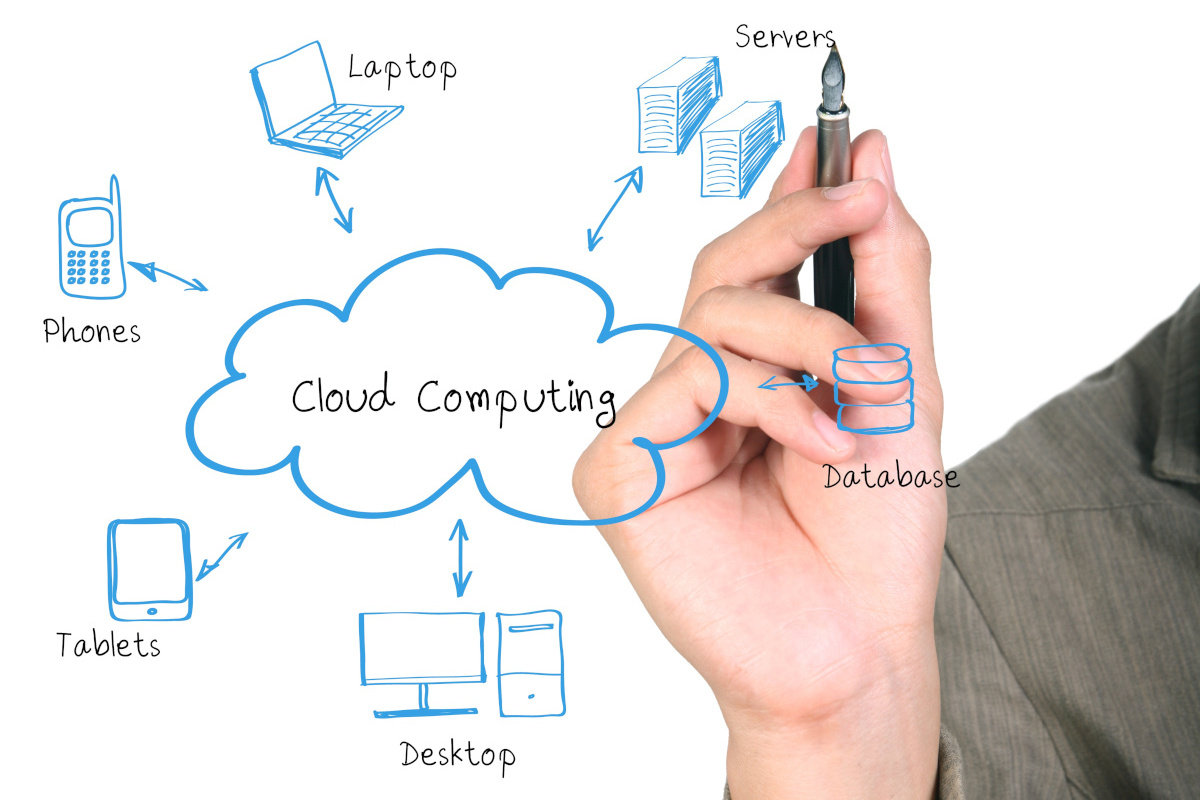
You must have heard of the word 'cloud computing.' As every iOS and Android user has enabled cloud services, you might have an idea of what the cloud does.
Read Full Story »
Posted in: Cloud & Microsoft 365
July 18th, 2022
This is precisely what Parker Data and Voice's cabling services will do for you. Contact Parker Data & Voice to find out how we can help your organization.
Read Full Story »
Posted in: Network & IT Installations
July 7th, 2022
Leading MTSP Shares Why Email Is an Easy Way to Destroy A Company's Network. HUNTSVILLE, TX - Parker Data & Voice, a leading managed technology services...
Read Full Story »
Posted in: Cybersecurity, Press Releases
June 8th, 2022
With the rise of technology, communications for business indeed have become a lot easier. Talk to the Parker Data & Voice team about the right solution for you.
Read Full Story »
Posted in: Business Phone Systems
June 6th, 2022
Leading Managed Technology Services Provider Protects IT Networks that Rely on Apple/Mac Products. Talk to the Parker Data & Voice team about your IT needs.
Read Full Story »
Posted in: Network & IT Installations, Press Releases
May 18th, 2022
With many businesses looking for cost-effective ways to increase productivity AI has emerged as an obvious solution. Contact us to find out how we can help.
Read Full Story »
Posted in: AI for Business, Press Releases
May 5th, 2022
You may have heard the phrase, 'Always plan for the unexpected' before. In a nutshell, this is what business continuity services provide to your organization.
Read Full Story »
Posted in: Backup & Disaster Recovery
April 6th, 2022
Leading MTSP to Offer Their Technology Knowledge to Peers Around the U.S. and Canada. Talk to the Parker Data & Voice team about the right solution for you.
Read Full Story »
Posted in: Press Releases
March 21st, 2022
Cybercrime has become a growing concern for businesses across industries. Data breaches are happening to even global giants. Learn more about our services.
Read Full Story »
Posted in: Cybersecurity
March 17th, 2022
Leading MTSP Shares Most Common Cause of Cyberattacks and How to Secure Any Organization. Talk to the Parker Data & Voice team about the right solution for you.
Read Full Story »
Posted in: Cybersecurity, Press Releases
February 22nd, 2022
Leading Managed Technology Services Provider Shares Significant Findings About IT Growth. Talk to the Parker Data & Voice team about the right solution for you.
Read Full Story »
Posted in: Press Releases
February 15th, 2022
Start-ups and SMBs often don't have the budget, resources, and time to account for in-house cyber security and IT management. Learn more about our services.
Read Full Story »
Posted in: Cybersecurity
January 21st, 2022
Leading MTSP Increases Their Customers' Productivity with New Microsoft Applications. Talk to the Parker Data & Voice team about the right solution for you.
Read Full Story »
Posted in: Managed IT Services, Press Releases
December 16th, 2021
The deduction is good until a company reaches $2.62 million in purchases for the year. Talk to the Parker Data & Voice team about the right solution for you.
Read Full Story »
Posted in: Press Releases
November 17th, 2021
Leading Managed Technology Services Provider to Share Business Expertise and Technology Foresight with Organizations Throughout the U.S. and Canada. Contact us.
Read Full Story »
Posted in: Press Releases
October 11th, 2021
Leading Managed Technology Services Provider Invests in Advanced Cybersecurity Tools. Talk to the Parker Data & Voice team about the right solution for you.
Read Full Story »
Posted in: Cloud & Microsoft 365, Press Releases
September 7th, 2021
This type of breach targeting companies through their IT providers is becoming more commonplace. Reach out to Parker Data & Voice to learn how we can help.
Read Full Story »
Posted in: Cybersecurity, Press Releases
August 9th, 2021
Leading Managed Technology Services Provider Shares How SMBs Can Protect Themselves from Cyberattacks and Ransomware Threats. Learn more about our services.
Read Full Story »
Posted in: Cybersecurity, Press Releases
June 30th, 2021
Leading Managed Technology Services Provider Shares How AI is Evolving SMB Defenses. Talk to the Parker Data & Voice team about the right solution for you.
Read Full Story »
Posted in: Cybersecurity, Press Releases
June 2nd, 2021
With every passing year, cyber security continues to be a growing concern and issue for companies in every industry. Contact us to find out how we can help.
Read Full Story »
Posted in: Cybersecurity
May 30th, 2021
Leading Managed Technology Services Provider Maximizes Employee Productivity As Businesses Transition to the New Normal. Talk to Parker Data & Voice today.
Read Full Story »
Posted in: Business Phone Systems, Press Releases
May 4th, 2021
Startling Statistics Reveal Challenges of Healthcare Industry's Ability to Safeguard Patient Records. Learn how Parker Data & Voice can help your business.
Read Full Story »
Posted in: Cybersecurity, Press Releases
April 14th, 2021
Malicious actors continue to innovate their strategies and have even exploited insecure networks in order to trick users into downloading malware. Contact us.
Read Full Story »
Posted in: Cybersecurity, Press Releases
March 22nd, 2021
Leading Managed Technology Services Provider Presents Workplace Interaction Strategies for Small to Mid-Sized Businesses. Talk to Parker Data & Voice today.
Read Full Story »
Posted in: Managed IT Services, Press Releases
February 24th, 2021
Leading Managed Technology Services Utilizes Clearfly to Keep Key Facilities and Businesses Connected During COVID-19. Contact us to find out how we can help.
Read Full Story »
Posted in: Business Phone Systems, Press Releases
February 17th, 2021
There are many facets to running a business, and many of them are easily overlooked. Talk to the Parker Data & Voice team about the right solution for you.
Read Full Story »
Posted in: Managed IT Services
January 19th, 2021
Leading Managed Technology Services Provider Educates Businesses on Dramatic Increase in Cybercrime Directed at Small-Business Owners and How to Prevent It.
Read Full Story »
Posted in: Cybersecurity, Press Releases
November 30th, 2020
As a result, Parker Data & Voice is helping more and more SMBs transition their on-premise IT network to Microsoft's Azure. Contact our team to learn more.
Read Full Story »
Posted in: Cloud & Microsoft 365, Press Releases
October 29th, 2020
'We are in unprecedented times, but this doesn't mean businesses can't continue thriving,' stated Bill Parker, President of Parker Data & Voice. Contact us.
Read Full Story »
Posted in: Backup & Disaster Recovery, Press Releases
October 28th, 2020
With the pandemic still influencing the way businesses operate, ensuring that your employees can communicate effectively is critical. Explore our services.
Read Full Story »
Posted in: Business Phone Systems
October 7th, 2020
Parker Data & Voice a leading managed technology services provider (MTSP), announced today that it is helping customers take advantage... Contact us today.
Read Full Story »
Posted in: Press Releases
September 29th, 2020
Companies are proactively adopting this technology out of moral obligation to protect their team and those they serve. Contact us to find out how we can help.
Read Full Story »
Posted in: Surveillance & Access Control, Press Releases
September 9th, 2020
As we enter a new decade, the workforce is changing drastically, both in demographic and behavioral tendencies. Contact Parker Data & Voice to get started.
Read Full Story »
Posted in: Cloud & Microsoft 365, Press Releases
August 6th, 2020
With the transition to remote work, there was an adjustment period for most businesses. Talk to the Parker Data & Voice team about the right solution for you.
Read Full Story »
Posted in: Cybersecurity
July 27th, 2020
Antiquated business phones lack most of today's technology and going remote was very challenging. Talk to the Parker Data & Voice team about your IT needs.
Read Full Story »
Posted in: Business Phone Systems, Press Releases
July 22nd, 2020
How your business adapts to remote work is crucial to the continued success of your company. Talk to the Parker Data & Voice team about the right solution.
Read Full Story »
Posted in: Cloud & Microsoft 365
June 4th, 2020
For small to mid-sized businesses (SMBs) this has very strong implications for their remote workforce. Talk to our team to find the right solution for you.
Read Full Story »
Posted in: Cybersecurity, Press Releases
May 31st, 2020
Modern smartphones and tablets come equipped with impressive amounts of power and accessibility. Reach out to Parker Data & Voice to learn how we can help.
Read Full Story »
Posted in: Cybersecurity
May 31st, 2020
Traveling, whether for business or pleasure, blends a hectic mix of physical discomfort and emotional distress. Contact Parker Data & Voice to get started.
Read Full Story »
Posted in: Cybersecurity
May 26th, 2020
With the current business landscape, businesses are juggling many responsibilities. Contact Parker Data & Voice to find out how we can help your organization.
Read Full Story »
Posted in: Business Phone Systems
May 10th, 2020
Parker Data & Voice is proactively helping customers transition to their staff to a remote workforce leveraging Microsoft Teams. Get started with our team.
Read Full Story »
Posted in: Cloud & Microsoft 365, Press Releases
April 20th, 2020
As businesses evolve, the ability to work from wherever you are has become far more critical. Talk to the Parker Data & Voice team about the right solution.
Read Full Story »
Posted in: Cloud & Microsoft 365
April 9th, 2020
With the recent outbreak of COVID-19, mandatory precautions have forced organizations to adopt a work from home policy. Contact us to find out how we can help.
Read Full Story »
Posted in: Cloud & Microsoft 365, Press Releases
April 6th, 2020
As the COVID-19 crisis continues to evolve, businesses are having to navigate some rough waters. Reach out to Parker Data & Voice to learn how we can help.
Read Full Story »
Posted in: Managed IT Services
March 10th, 2020
On-premise servers are vulnerable to becoming outdated, which leads to major security concerns for business owners. Contact us to find out how we can help.
Read Full Story »
Posted in: Cloud & Microsoft 365, Press Releases
February 19th, 2020
All of your company's sensitive information, from accounts receivable to client information, is stored on your networks. Talk to Parker Data & Voice today.
Read Full Story »
Posted in: Cybersecurity
February 4th, 2020
HUNTSVILLE, TX - Parker Data & Voice, a leading managed technology services provider (MTSP), shared the top 3 business collaboration tools in 2020. Contact us.
Read Full Story »
Posted in: Cloud & Microsoft 365, Press Releases
January 29th, 2020
Your time and money are valuable, and you should be allocating those resources to maintaining and improving your daily operations. Talk to an expert today.
Read Full Story »
Posted in: Managed IT Services
January 7th, 2020
HUNTSVILLE, TX - Cybercrime is rapidly on the rise in the United States and SMBs need to know if their information is on the Dark Web. See how we can help.
Read Full Story »
Posted in: Cybersecurity, Press Releases
December 16th, 2019
It is essential to consider every aspect of a business phone when choosing the right phone system for your company. Contact us to find out how we can help.
Read Full Story »
Posted in: Business Phone Systems
November 8th, 2019
Over the past few years, the prevalence of cyber attacks has continued to grow, expanding every SMBs' need for cybersecurity. Learn more about our services.
Read Full Story »
Posted in: Network & IT Installations, Press Releases
October 2nd, 2019
'Whether you agree with remote workforce or not is inconsequential because it's the future,' stated Bill Parker, President of Parker Data & Voice. Contact us.
Read Full Story »
Posted in: Press Releases
August 30th, 2019
Parker Data & Voice protects businesses from several key cybersecurity threats. Reach out to Parker Data & Voice to learn how we can support your business.
Read Full Story »
Posted in: Cybersecurity, Press Releases
August 15th, 2019
HUNTSVILLE, TX - Did you know that WebRTC (RealTime Communications) is set to change the way companies communicate? Contact us to find out how we can help.
Read Full Story »
Posted in: Business Phone Systems, Press Releases
June 22nd, 2019
This platform includes features like automatic translation and channels, a modern interface, new communication styles, and more. Get started with our team.
Read Full Story »
Posted in: Cloud & Microsoft 365
June 19th, 2019
Regardless of the type of business you have, industries of all kinds need to be prepared to deal with the aftermath of an attack or breach. Reach out today.
Read Full Story »
Posted in: Cybersecurity
June 18th, 2019
HUNTSVILLE, TX - June 2019 - Parker Data & Voice, a leading managed technology services provider (MTSP), is advising small and mid-sized... Reach out today.
Read Full Story »
Posted in: Cloud & Microsoft 365, Press Releases
June 13th, 2019
The majority of network and server breaches and attacks are caused merely by human error. Talk to the Parker Data & Voice team about the right solution for you.
Read Full Story »
Posted in: Cybersecurity
May 25th, 2019
More and more businesses realize the benefits associated with fiber optic connectivity. Talk to the Parker Data & Voice team about the right solution for you.
Read Full Story »
Posted in: Network & IT Installations
May 21st, 2019
'It's incredibly important to continually invest in our people,' stated Bill Parker, President of Parker Data & Voice. Contact us to find out how we can help.
Read Full Story »
Posted in: Cybersecurity, Press Releases
April 24th, 2019
At Parker Data and Voice, we want to make a move as hassle-free as possible with our managed IT and business relocation services. Contact us to learn more.
Read Full Story »
Posted in: Network & IT Installations
April 23rd, 2019
To define the term, SD-WAN is an acronym for software defined networking in a wide area network (WAN). Talk to our team to find the right solution for you.
Read Full Story »
Posted in: Network & IT Installations, Press Releases
March 18th, 2019
HUNTSVILLE, TX - March 2019 - Parker Data & Voice a leading technology provider, announced today that the company has begun to advise owners... Contact us.
Read Full Story »
Posted in: Cloud & Microsoft 365, Press Releases
March 10th, 2019
A good program can address all sorts of potential disruptions to your business, including those caused by fire, floods, or an earthquake. Contact us today.
Read Full Story »
Posted in: Backup & Disaster Recovery
February 26th, 2019
The event will take place on April 7-10, 2019 at the Rosen Plaza and will be comprised of North America's leading MTSPs. Talk to Parker Data & Voice today.
Read Full Story »
Posted in: Press Releases
January 24th, 2019
Over the past, large organizations including Target, Equifax, Yahoo and now, Marriott, are being breached by cyberattacks. Talk to Parker Data & Voice today.
Read Full Story »
Posted in: Cybersecurity, Press Releases
December 17th, 2018
SMBs need to be aware of this transition because cybercriminals are constantly inventing new methods and techniques to exploit weak infrastructure. Contact us.
Read Full Story »
Posted in: Managed IT Services, Press Releases
November 28th, 2018
It's the new solution that's everywhere you look; there's no way not to get someone talking to you about switching to it. Talk to Parker Data & Voice today.
Read Full Story »
Posted in: Cloud & Microsoft 365
November 27th, 2018
Parker Data & Voice is actively educating the business community and protecting SMBs from these threats. Talk to our team to find the right solution for you.
Read Full Story »
Posted in: Cybersecurity, Press Releases
October 24th, 2018
government to encourage businesses to buy new equipment such as technology and invest in their companies. Learn how Parker Data & Voice can help you today.
Read Full Story »
Posted in: Press Releases
October 22nd, 2018
The program is much more than a simple security solution, as we offer full infrastructure management and support, from maintenance to upgrades. Contact us.
Read Full Story »
Posted in: Managed IT Services
September 30th, 2018
Are you looking for a better way to communicate with your team? Travel budgets drain fast when you have to get everyone in one place for meetings. Contact us.
Read Full Story »
Posted in: Business Phone Systems
September 25th, 2018
HUNTSVILLE, TX - September 25, 2018 - Parker Data & Voice, a leading managed technology services provider (MTSP), is helping small to mid-sized... Contact us.
Read Full Story »
Posted in: Cybersecurity, Press Releases
August 28th, 2018
'It is now the rule, rather than the exception,' asserts Bill Parker, President of Parker Data & Voice. Talk to our team to find the right solution for you.
Read Full Story »
Posted in: Cybersecurity, Press Releases
August 10th, 2018
Are you thinking about moving or upgrading or just starting from the ground up? Parker Data & Voice, LLC is here to help! Talk to Parker Data & Voice today.
Read Full Story »
Posted in: Network & IT Installations
July 11th, 2018
HUNTSVILLE, TX - July 11, 2018 - Parker Data & Voice, LLC & PV Technology Services, LLC, a leading managed technology services provider... Reach out today.
Read Full Story »
Posted in: Cybersecurity, Press Releases
July 5th, 2018
Destroyed equipment and a loss of productivity during recovery can be crippling to many businesses. Talk to the Parker Data & Voice team about your IT needs.
Read Full Story »
Posted in: Backup & Disaster Recovery
June 16th, 2018
At Parker Data & Voice, we know the cloud is an important piece to a successful business in this day and age. Contact our team to find out how we can help.
Read Full Story »
Posted in: Cloud & Microsoft 365
June 14th, 2018
HUNTSVILLE, TX - June 14, 2018 - Parker Data & Voice a leading managed technology services provider, announced today that the company will now be... Contact us.
Read Full Story »
Posted in: Managed IT Services, Press Releases
May 30th, 2018
Whatever the level of disaster, it is important that your team has a plan in place for protecting and recovering your critical information. Reach out today.
Read Full Story »
Posted in: Cloud & Microsoft 365
May 18th, 2018
HUNTSVILLE, TX - 5/18/18 - Parker Data & Voice a leading managed technology services provider, announced today that the company has launched... Contact us.
Read Full Story »
Posted in: Cybersecurity, Press Releases
May 11th, 2018
Here at Parker Data & Voice we have years of IT experience that we can't wait to share with you! Reach out to Parker Data & Voice to learn how we can help.
Read Full Story »
Posted in: Managed IT Services
March 30th, 2018
It's going to have a huge effect on the business owners we serve,' stated Bill Parker, President of Parker Data & Voice. Talk to Parker Data & Voice today.
Read Full Story »
Posted in: Cybersecurity, Press Releases
January 31st, 2018
Since the mid 90's, our founder, Bill Parker provided premier IT Management Services and Business Solutions for a diverse spectrum of clients. Reach out today.
Read Full Story »
Posted in: Press Releases
View all articles
 Parker Data & Voice, LLC